

127.0.0.1:62893 is a special computer address. It is called “localhost” and helps your computer talk to itself. The numbers after the colon, like 62893, are called ports. Ports act like doors for data to move in and out.
This address is used in software testing, networking, and security. It allows developers to check programs on their computers without using the internet. For example, you can create a website and see how it looks locally.
It’s a safe way to test before making programs public. Understanding this address helps you work faster and troubleshoot easily. When you see 127.0.0.1, remember it always points back to your computer.
What is 127.0.0.1 and 127.0.0.1:62893?
127.0.0.1 is your computer’s IP address. It is used to test programs directly on your machine. The extra numbers, like 62893, are ports that handle specific tasks. Think of ports as doors where data moves in and out.
Together, 127.0.0.1:62893 lets you communicate with programs safely. You don’t need an internet connection to use it. For example, developers test websites or apps locally using this address.
It keeps everything secure and private while testing. If you’re a beginner, remember 127.0.0.1 means “this computer.” The port number simply tells the computer which program to talk to. It’s that simple!

A Developer’s Guide to 127.0.0.1:62893
As a developer, you’ll often use 127.0.0.1:62893. It lets you test programs on your computer without going online. This is useful for debugging or checking performance.
The IP address 127.0.0.1 always points to your computer. The port number, like 62893, tells your computer which program or service to use. For example, you can test a web server locally before launching it online.
Developers use localhost to avoid outside interference during tests. It speeds up development and helps catch bugs early. Learning to use 127.0.0.1:62893 makes programming easier and safer. It’s a must-have skill for coding and networking.
Understanding 127.0.0.1:62893: Localhost and Ports Simplified
127.0.0.1 is like a mirror for your computer. It reflects to your device, letting it communicate with itself. The number after the colon, like 62893, is a port. Ports act like doors, allowing programs to send and receive data.
Together, 127.0.0.1:62893 is used to test programs locally. For example, you can create a website and test it safely. There’s no need for an internet connection or an external server.
This address helps troubleshoot and debug software. It’s a simple yet powerful tool every developer should know. Understanding localhost makes software testing much easier.

Why Is 127.0.0.1:62893 Important in Networking?
127.0.0.1:62893 plays a big role in networking. It helps computers communicate with themselves without external connections. This is useful for testing programs or running local servers.
Developers use it to check apps, websites, or APIs before launching online. It also improves security because it doesn’t rely on outside networks. You can debug programs faster and in a safe environment.
The port, like 62893, lets you manage specific tasks or applications. Knowing this address saves time and helps prevent errors. It’s an essential tool for building and maintaining secure, efficient networks.
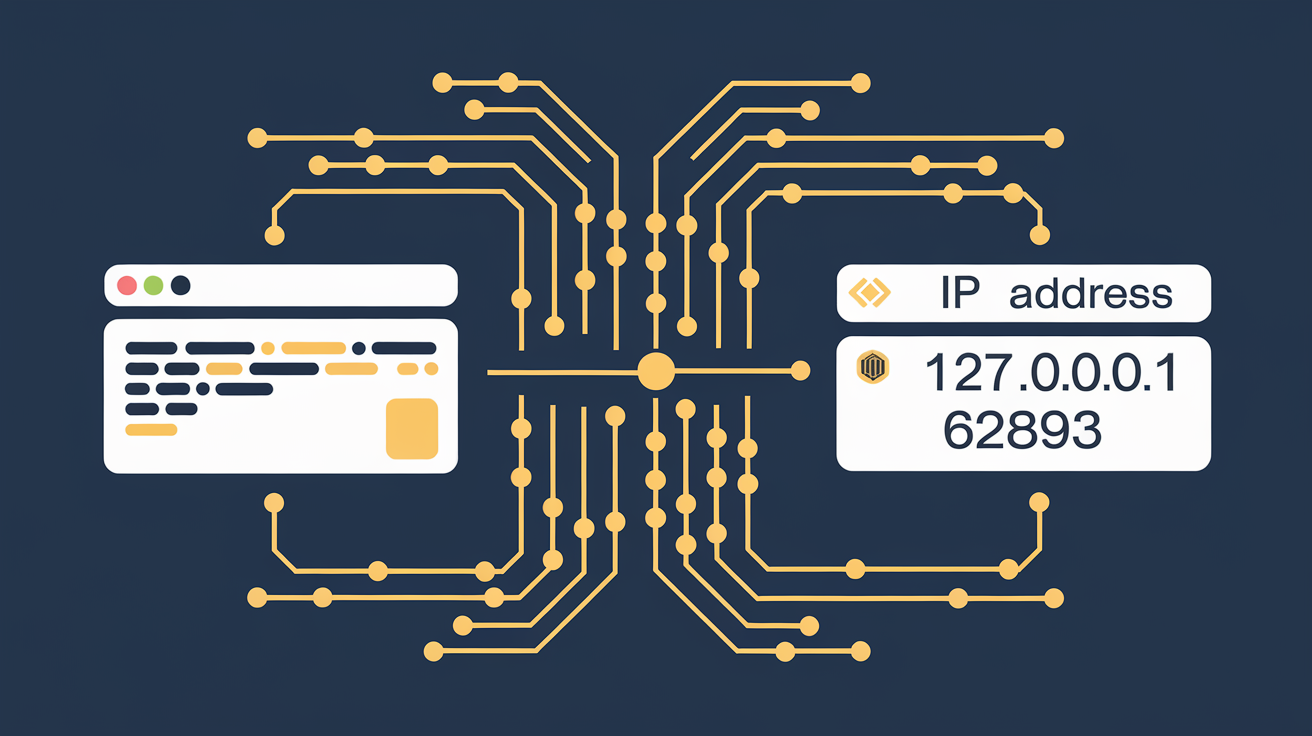
Troubleshooting 127.0.0.1:62893: Common Issues and Fixes
Sometimes, 127.0.0.1:62893 may not work as expected. The most common problem is that the program or server is not running. To fix this, restart the application or service.
Another issue is the port, like 62893, being blocked by a firewall. Check your settings and allow access to the port. If you’re testing a website and it doesn’t load, check if your local server is running.
Restarting your computer can also solve small issues. Remember, 127.0.0.1 always points to your computer. Troubleshooting this address is easy once you understand its purpose. Stay calm and follow these simple steps to fix it!
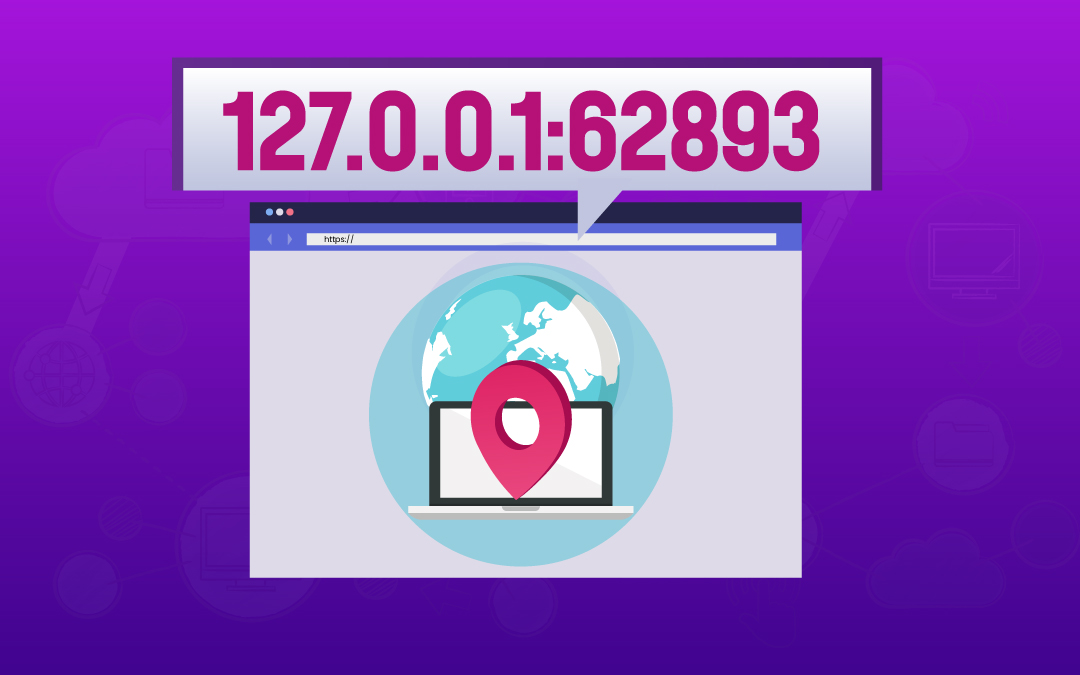
How to Find Your Computer’s IP Address (Including Localhost)
-
Open the Command Prompt or Terminal on Your Device
To find your IP, open the Command Prompt in Windows. For Linux or Mac, open the Terminal application. These tools let you run quick commands for details. Just a few steps will reveal your IP address.
-
Use the Command “ipconfig” or “ifconfig”
Type ipconfig on Windows or ifconfig on Mac/Linux. Press Enter, and the system will display network details. Look for the IPv4 address—it shows your local machine’s IP. It’s that simple!
-
Find the Localhost Address 127.0.0.1
Localhost always uses 127.0.0.1 as its address. It’s a default IP assigned to every computer. This is useful for internal testing or software debugging.
-
Locate the Default Gateway Address
The default gateway connects your computer to the internet. It’s also shown in the IP settings. This helps troubleshoot network issues.
-
Copy and Save Your IP Address
Copy the displayed IP address for later use. You may need it for troubleshooting or connecting devices. Keep it handy for easy network setup.
-
Access the Localhost in a Browser
Type 127.0.0.1 in your browser’s address bar. This will open your local web server if it’s running. It’s a quick way to test local websites.
-
Check Your Network Connection Status
Run the same command to check your network health. It’s a fast way to know if your device is connected. If there’s an issue, it will display the error.
How to Use 127.0.0.1:62893 for Testing Applications
-
Understand What 127.0.0.1:62893 Represents.
127.0.0.1 is the local host address for your computer. The port number (62893) allows apps to communicate internally. This setup ensures the system loops messages back to itself.
-
Launch a Local Server on Your Device
Run a local server using tools like XAMPP or WAMP. These tools let you host a website or application locally. You can use 127.0.0.1:62893 to access your project.
-
Test Applications Without Internet
Localhost testing eliminates the need for an internet connection. This makes it safe and convenient to debug software. Errors can be fixed before deployment.
-
Use the Browser to Check Functionality
Open a browser and type 127.0.0.1:62893. This connects you to the local application or server. Any issues with your app will be displayed here.
-
Improve Development Speed and Security
Testing locally is faster than deploying online. Your files stay on your computer, making the process secure. This helps you develop and test more efficiently.
Key Benefits of Localhost (127.0.0.1)
-
Internal Communication Without Internet
Localhost allows your device to communicate with itself. It’s perfect for testing or troubleshooting without an active connection.
-
Safe Environment for Testing Applications
Testing apps on localhost prevents them from affecting other networks. It creates a controlled space for debugging.
-
Faster Development Process
Localhost provides instant responses, making it faster than remote servers. This speeds up coding and testing.
-
Enhanced Security for Applications
Applications on localhost are isolated from the internet. This blocks unauthorized access and keeps your data safe.
-
Easy Access to Local Servers
Just type 127.0.0.1 in your browser to access local files. It’s a straightforward way to test websites.
-
Reduced Network Dependence
Localhost doesn’t rely on external networks. You can test applications even if the internet is down.
-
Efficient Debugging and Error Fixing
It simplifies debugging by isolating errors in the local environment. This lets you fix issues before they go live.
Top Features of 127.0.0.1:62893
-
Localhost Communication
127.0.0.1:62893 is the loopback address, meaning it connects to your local machine. It lets your computer communicate with itself. This feature is used for testing and development. It helps avoid using external networks. You can access web servers and other services running locally.
-
Testing and Development
Developers often use 127.0.0.1:62893 to test software locally. It creates a controlled environment for running web servers. You don’t need an internet connection for this. It helps test apps, websites, and services before public use. This feature ensures faster testing and debugging.
-
Port Number for Specific Services
The port 62893 directs data to specific services on your computer. Each service running on your computer uses a unique port number. 127.0.0.1 alone refers to the machine. Adding a port number helps identify the exact service for communication.
-
Improved Security
Since 127.0.0.1:62893 connects locally, it keeps data secure. It doesn’t expose your machine to the internet. Any communication goes only within your system, avoiding hacking risks. This local-only connection is ideal for testing without any external threats.
-
Faster Communication
Using localhost for testing provides faster response times. There’s no external network delay. All data is sent and received within your computer, which improves speed. This is particularly useful for developers needing quick feedback during testing.
-
Portability
Local servers using 127.0.0.1:62893 are portable. You can easily move projects between devices. This portability allows developers to test on multiple systems without worrying about network configurations. It’s convenient for testing apps across different devices.
-
Isolation of Test Environments
127.0.0.1:62893 isolates testing from live environments. It helps you experiment without affecting live data. Any tests run on localhost won’t interfere with real-world servers or data. This isolation reduces the risk of software errors in live systems.
Frequently Asked Questions about 127.0.0.1:62893
What is 127.0.0.1:62893 used for?
127.0.0.1:62893 is used for local communication within your computer. It’s mostly used for software testing and development. When you connect to this address, your computer communicates with itself. It’s useful for developers testing apps, websites, or services before going live.
Why do I need the port number 62893?
The port number 62893 directs communication to a specific service on your local machine. Without it, you can only connect to the general IP address. The port number tells your computer exactly which service to communicate with, such as a web server or database.
Can I use 127.0.0.1:62893 without an internet connection?
Yes! 127.0.0.1:62893 works entirely within your local computer. It doesn’t require an internet connection to function. This is great for testing software and services without worrying about internet access.
Is 127.0.0.1:62893 safe to use?
Yes, it’s safe. Since 127.0.0.1 is the loopback address, all data stays within your local machine. It avoids exposure to external threats from the internet. This makes it a secure environment for testing and development.
What kind of software uses 127.0.0.1:62893?
Many types of software, especially web development tools, use 127.0.0.1:62893. It’s often used with local servers like Apache or MySQL for testing purposes. It’s also used by applications that need to run tests or check connections to the computer.
How can I access 127.0.0.1:62893?
To access 127.0.0.1:62893, open a browser and type the address into the URL bar. If a service is running on port 62893, it will load in your browser. Ensure the correct software or server is running on this port.
What happens if 127.0.0.1:62893 doesn’t work?
If 127.0.0.1:62893 doesn’t work, the service running on that port might be down. Try restarting the service or server. You can also check if the port is being blocked by a firewall or if there are errors in the server configuration.
Conclusion about 127.0.0.1:62893
127.0.0.1:62893 plays a crucial role in the development and testing of software. It allows developers to work on their projects without needing an external server or internet connection.
By using the loopback address 127.0.0.1, you can test applications and services on your local machine, ensuring everything works correctly before going live. The port number 62893 helps specify which service to communicate with, directing data to the right destination.
This setup improves the security of your machine by keeping all communication local. It also offers faster testing since no internet delays are involved. Moreover, it ensures that your test environments are isolated from real-world environments, preventing errors from affecting live systems.
For anyone in software development, understanding and using 127.0.0.1:62893 is essential for efficient, secure, and quick testing. This tool simplifies the process of building and debugging applications.
