

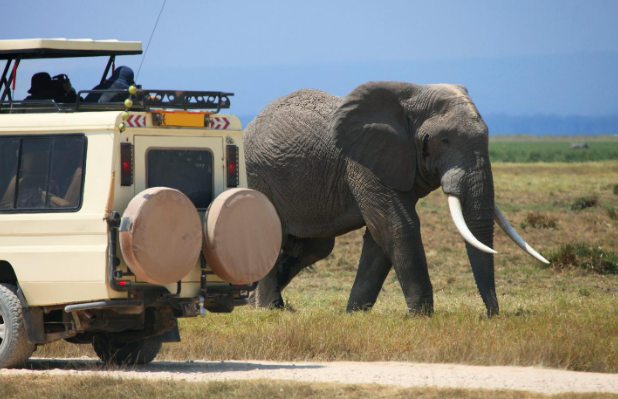
On Safaris in Tanzania, you might watch a herd of zebra graze quietly as the sun drops behind the horizon, only to wake the next morning and find the plain empty. No track, no sound, just space. By afternoon, the animals reappear miles away, as if nothing happened. This is not a chance. In Tanzania, wildlife is always on the move.
Animals here do not stay put for a photo or a schedule. They follow an invisible path shaped by water, grass, weather, and instinct. These movements happen daily, seasonally, and sometimes across hundreds of kilometers.
Understanding how wildlife moves across Tanzania changes everything about how you plan a safari. It turns guesswork into intention and replaces luck with clarity. A well-planned Tanzania Safari doesn’t chase animals. It follows their rhythm.
The Logic Behind Wildlife Movement
Animals move for three basic reasons: food, water, and safety. When one of these shifts, movement follows.
- In Tanzania’s ecosystem, grass growth depends on rainfall.
- Water source expands and shrinks with the seasons.
- Predator pressure change based on visibility and terrain.
Wildlife responds constantly, adjusting routes and routines to survive. Herbivores move first, tracking fresh grazing and reliable water. Predators follow close behind, not randomly, but strategically. Even small changes, such as short grass, drying rivers, and rising temperatures, can trigger relocation.
This logic applies across all Tanzania destinations, from open savannahs to wooded river systems. What appears to be wandering is actually precise decision-making shaped by thousands of years of adaptation.
Seasonal Patterns You Can’t Ignore
Seasonality is the primary driver of wildlife movement in Tanzania. During the dry season, animals concentrate around permanent water sources. Rivers, lakes, and shaded valleys become crowded with life. This is when wildlife sighting feels dense and predictable, making it a popular time for first-time visitors.
When the rains arrive, everything shifts. Grass grows quickly, spreading food across a wide area. Animals disperse, no longer tied to a limited water point. The landscape opens up, and movement becomes broader and less concentrated.
These changes directly affect the safari seasons in Tanzania. The best sightings aren’t about luxury lodges or vehicle count; they’re about being in the right ecosystem at the right time. Understanding rainfall patterns and terrain is far more valuable than focusing solely on accommodation.
Migration Versus Daily Movement
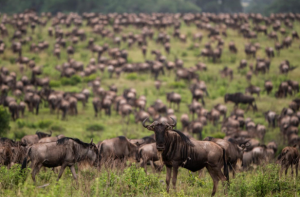
Not all movement is migration. The Great Migration is the most famous example of wildlife movement in Tanzania, involving millions of wildebeest, zebra, and gazelles moving in a seasonal loop across the Serengeti ecosystem. These journeys follow a long-established route driven by rainfall and the grass cycle.
But alongside migration, animals also make daily and short-term movements. Elephants travel between the feeding area and the water source. Lions shift the territory boundary. Antelope relocates to avoid predators or seek better cover.
Understanding the difference matters for safari planning in Tanzania. Migration follows a general calendar, but daily movement depends on local conditions. A knowledgeable guide plans for both positioning travelers where long-term patterns and short-term behavior intersect.
How Movement Shapes Safari Planning
Wildlife movement should affect every safari decision, from timing to route selection. Choosing the Best Time To Visit Tanzania depends on what you want to witness. Dense predator activity, dramatic river crossings, calving seasons, or quieter green landscapes all require different timing and location.
Movement also affects travel logistics and the cost of a safari in Tanzania. Some regions are accessible only during certain months. Road conditions change with the weather. Travel time between parks can vary based on animal distribution.
A well-designed safari prioritizes geography over glamour. Being closer to wildlife corridors and active ecosystem deliver more meaningful experience than staying in high-end lodges far from animal movement.
Reading the Land Like a Guide
Our experienced guides don’t rely on radio calls or luck. They read the land. They watch grass height, soil moisture, wind direction, and animal tracks. They know where animals moved yesterday and why they’re likely to move again. This skill allows them to anticipate sighting rather than chase them.
This approach is rooted in understanding animal movement in Africa as a whole, but Tanzania offers some of the clearest examples due to its scale and protection of the natural corridor.
Learning to think this way, even as a traveler, changes how you experience a safari. Instead of asking “Where are the animals?” you start asking “What does the land suggest will happen next?”
Wildlife Corridors and Conservation
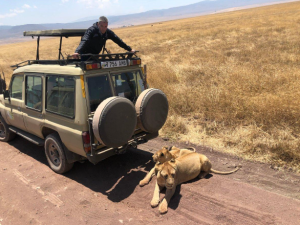
Movement depends on space. Wildlife corridors in Tanzania allow animals to travel safely between ecosystems without fragmentation.
Protected areas such as national parks and conservation zones preserve this pathway, ensuring that migration and daily movement continue uninterrupted. Without them, animal behavior becomes stressed and unpredictable.
This is why Tanzania Travel Guides emphasize conservation-aware travel. Supporting responsible Tanzania Tour Operators and protected areas helps maintain the very movement pattern that makes Tanzania exceptional. Wildlife here still moves as it always has, not because of a fence or a feeding schedule, but because the land allows it.
What This Means for Your Safari
When you understand wildlife movement, safari planning becomes intentional rather than reactive. You choose destinations based on seasonal behavior, not popularity. You plan a route that follows an animal path rather than fixed itineraries. You allow flexibility, knowing that movement is dynamic.
Weather, terrain, and timing all work together. Tanzania’s weather shapes the grass and water. Grass and water shape movement. Movement shape sightings. This layered understanding transforms a safari from a series of moments into a connected journey.
Visit Tanzania to see the wildlife at its best
Wildlife in Tanzania doesn’t stay still, and that’s what makes it extraordinary.
By following animal rhythm instead of a rigid plan, you experience the country as it truly is alive, shifting, and deeply connected. Movement becomes the story, and the safaris in Tanzania become a shared journey rather than a planned event.
Plan a safari that follows the wildlife rhythm, not a fixed route.
